


Image Source: pexels
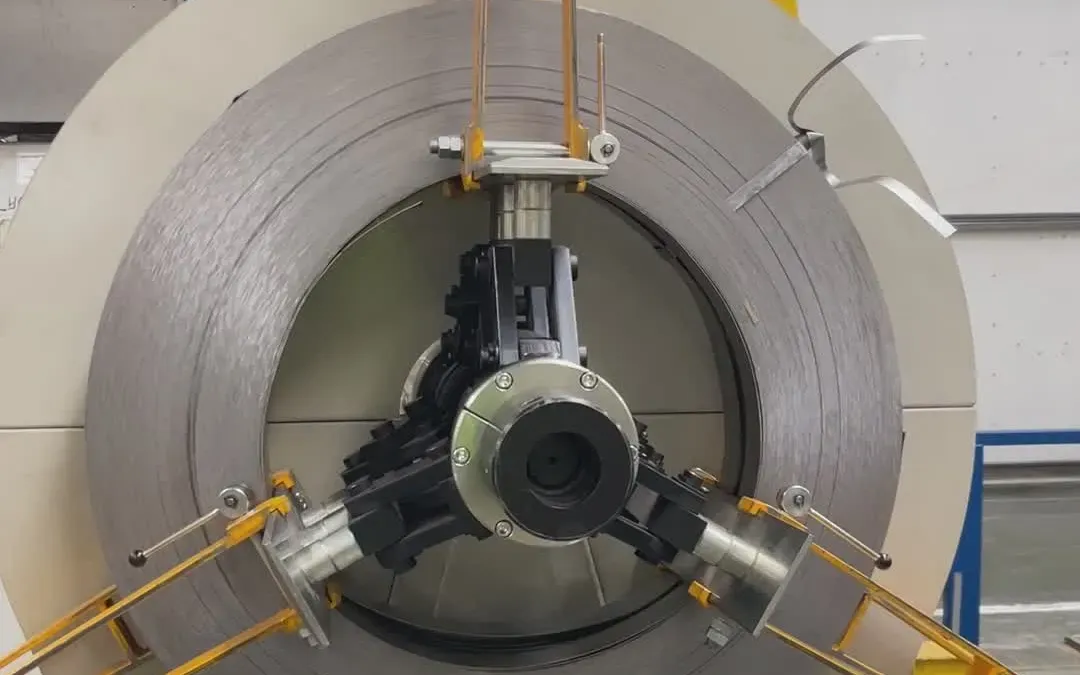
You rely on Packaging and Storage Standards to keep prepainted steel coils in top condition. When you ignore proper procedures, you risk corrosion, dents, and contamination. These problems can lead to costly repairs or loss of valuable material. Jinlisheng stands as a trusted manufacturer. The company uses strict quality controls and innovative methods to ensure every coil maintains its value from production to delivery.
Key Takeaways
Follow Packaging and Storage Standards to protect your prepainted steel coils from corrosion and damage.
Use multi-layer packaging methods, like VCI paper and waterproof kraft paper, to enhance coil protection during transport.
Store coils in dry, well-ventilated areas to prevent moisture buildup and maintain quality.
Implement regular inspections and documentation to catch issues early and ensure consistent coil quality.
Train staff on safe handling procedures to minimize risks and maintain the integrity of the coils.
Packaging and Storage Standards for Prepainted Steel Coils
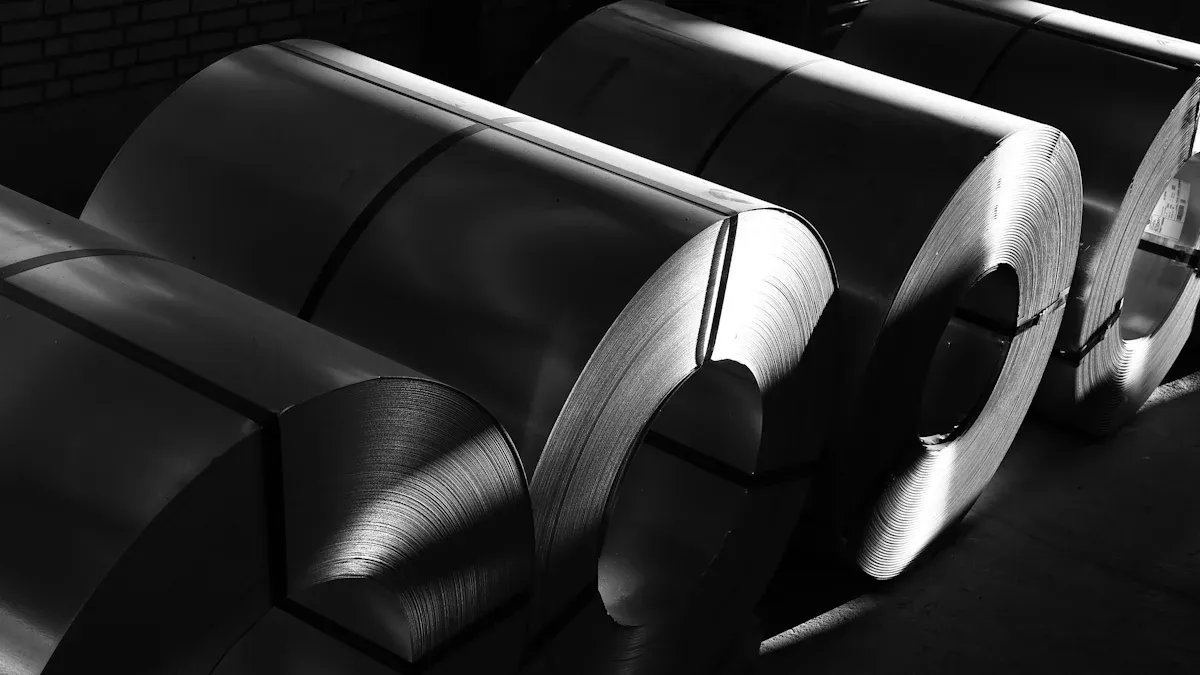
Image Source: unsplash
Why Standards Matter for Coil Quality
You protect your investment when you follow Packaging and Storage Standards for prepainted steel coils. These standards set clear guidelines for handling, packaging, and storing coils. Jinlisheng upholds strict protocols to ensure every coil arrives in perfect condition. Industry standards, such as ASTM A792, EN 10346, and ECCA, help you maintain product quality over time. You reduce the risk of defects and avoid costly returns.
When you implement Packaging and Storage Standards, you create a safer environment for your materials. You minimize the chance of damage during transit and storage. You also improve traceability, making it easier to identify and manage each coil.
The table below shows common packaging methods and their purposes:
Packaging Method | Purpose |
|---|---|
Protective Steel Sheet | Shields the outer coil surface from impact damage |
Water & Rustproof Kraft Paper | Prevents moisture ingress during transit |
Metal Band Stripping | Maintains coil stability and structural integrity |
Outside Diameter Ring | Preserves coil roundness and prevents deformation |
Shipping Mark & Label | Enables easy identification and traceability |
Corrugated Paper Wrapping | Adds cushioning and extra protection for handling |
Polythene Covering | Prevents dust, dirt, and moisture exposure |
You see measurable benefits when you follow these standards. Companies that use proper packaging and storage methods lower the risk of coil damage by up to 40%. Operational costs decrease by up to 20% because fewer defects lead to fewer returns.
Common Risks: Corrosion, Damage, and Contamination
You face several risks if you ignore Packaging and Storage Standards. Corrosion, surface defects, and contamination threaten the quality of your coils. Moisture and temperature changes can cause paint breakdown and rust. Improper handling leads to scratches and dents. Residual stresses may result in waviness or oil canning.
The table below summarizes common causes of quality loss and solutions:
Cause | Description | Solution |
|---|---|---|
Surface defects and scratches | Result from improper handling and inadequate protection | Use protective films and better handling |
Corrosion and coating failure | Caused by inadequate coating thickness and edge corrosion | Specify proper coating and edge protection |
Oil canning (waviness) | Due to residual stresses and improper tensioning | Improve tension control and consider finishes |
Moisture and temperature issues | Moisture trapped between coils leads to paint breakdown and corrosion, especially in humid areas | Store in climate-controlled, ventilated areas |
You prevent these risks by following Packaging and Storage Standards. You ensure coils stay dry, clean, and free from physical damage. Jinlisheng’s commitment to excellence means you receive coils that meet international standards and maintain their value throughout their lifecycle.
Tip: Regular inspections and proper documentation help you catch issues early and maintain coil quality.
Best Packaging Practices by Jinlisheng
Protective Materials and Methods
You protect your prepainted steel coils best when you use advanced, multi-layer packaging. Jinlisheng uses a combination of VCI (Volatile Corrosion Inhibitor) paper, waterproof kraft paper, and galvanized iron sheet outer jackets. This approach shields your coils from moisture, corrosion, and mechanical damage during storage and transit.
Moisture-proof VCI films reduce the risk of rust and oxidation.
Protective films and soft separators prevent scratches and abrasions on the painted surface.
Laminated transparent films add fire resistance, fingerprint resistance, and anti-fouling properties.
Multi-layer protection, including inner moisture barriers and outer steel jackets, keeps your coils safe from pressure and impact.
The table below compares Jinlisheng’s packaging materials to common industry alternatives:
Feature/Benefit | Jinlisheng's VCI Paper & Iron Sheet | Industry Alternatives |
|---|---|---|
Corrosion Protection | Highly effective | Varies, often less effective |
Cleanliness | Maintains coil cleanliness | May leave residues |
Automation Compatibility | High | Often manual |
Long-lasting Protection | Yes, without extra coatings | May need additional coatings |
Harsh Environment Performance | Excellent in humidity/saline areas | May not perform as well |
Operational Efficiency | Improves efficiency | Can complicate processes |
Environmental Safety | Safer for workers/environment | May have chemical residues |
Securing Coils for Safe Transport
You minimize risk during transport by following strict securing methods. Always select vehicles with the correct load-bearing capacity. Inspect straps, chains, and cables for wear before use. Use cranes or forklifts to load coils carefully, ensuring even weight distribution. Certified lifting devices and trained personnel help prevent accidents.
Match coil weight with lifting equipment capacity.
Use proper loading angles and blocking for flatbed transport.
Cordon off work areas to keep bystanders safe.
Maintain clear communication between crane operators and ground crew.
Jinlisheng’s packaging for SMP Coated PPGI, PE Coated PPGI, and Printed PPGL coils meets strict requirements. Standard export seaworthy packing, laminated films, and reinforced steel strapping extend product longevity by protecting against corrosion and mechanical damage.
Tip: Multi-layer protection, including VCI films, waterproof kraft paper, and galvanized steel jackets, significantly reduces the risk of quality loss during storage and shipping.
Storage Standards and Environmental Controls
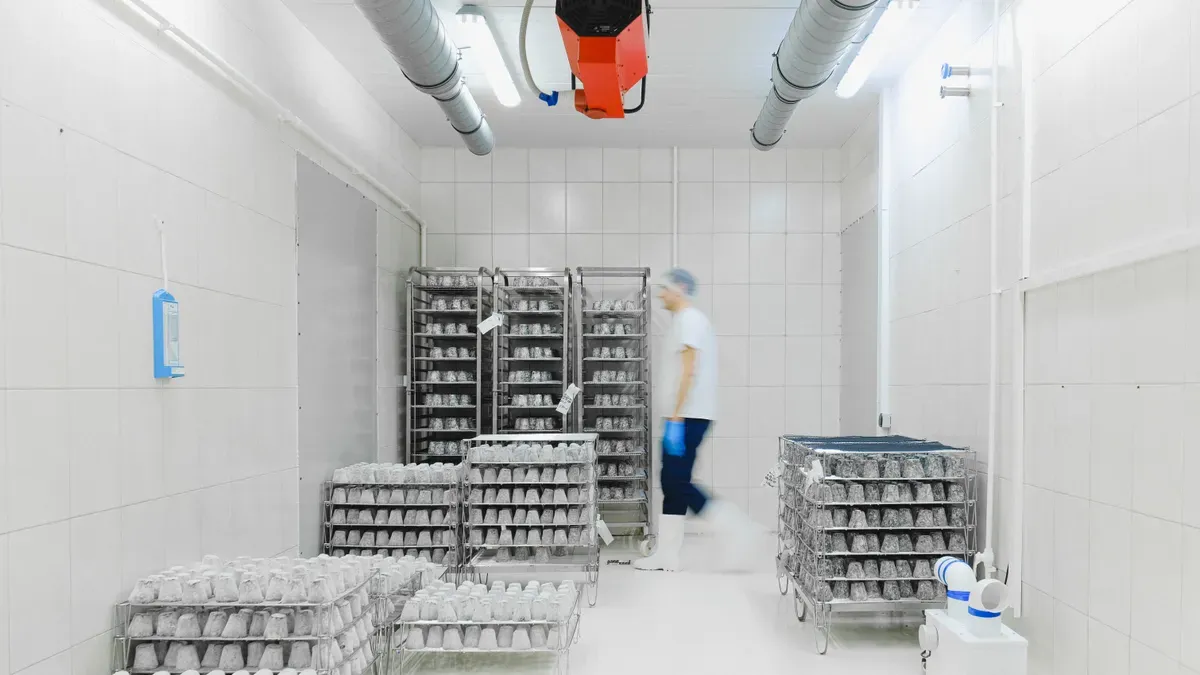
Image Source: pexels
Ideal Storage Conditions
You need to store prepainted steel coils in a dry, well-ventilated warehouse. This environment prevents moisture buildup and reduces the risk of corrosion. You should keep the temperature stable and avoid rapid changes that can cause condensation on coil surfaces. For best results, use temperature-controlled storage and maintain a temperature difference of less than 5°C between the coil core and the surrounding air. Cover sheets and end caps add extra protection against dust and accidental contact. Minimize storage time to reduce the chance of quality loss.
Tip: Regularly monitor humidity and temperature levels in your warehouse to ensure optimal conditions for coil preservation.
Stacking and Vertical Storage Methods
Proper stacking and vertical storage help you avoid coil deformation and surface damage. You can choose between two main methods:
Description | Purpose of Using the Method | |
|---|---|---|
Eye-to-sky | Coil axis is vertical, hollow center faces upward | Improves water drainage and reduces moisture accumulation |
Eye-to-wall | Coil axis is horizontal, hollow center faces sideways | Allows easier handling, stacking, and space optimization |
You should use V-shaped saddles or cradles to distribute the load evenly. This support prevents pressure marks and structural distortion. Specialized coil racks with cradles that match the coil’s shape keep the coils stable and reduce movement. Always follow recommended stacking heights to prevent accidents and telescoping.
Use V-shaped saddles or cradles for even load distribution.
Store coils vertically on sturdy skids to prevent ovalization.
Avoid stacking coils too high to maintain safety.
Inventory Rotation and Maintenance
You maintain coil quality by rotating inventory and performing regular inspections. Implement the first-in-first-out (FIFO) method so older coils leave storage before newer ones. This practice minimizes the risk of aging and coating degradation. Inspect coils every 6-12 months in polluted or coastal areas. In dry, clean environments, you can extend inspections to every 1-2 years. Coils stored outdoors require more frequent checks due to weather exposure.
Store coils in temperature-controlled warehouses.
Use paper-wrap bundles, cover sheets, and end caps for added protection.
Schedule regular inspections based on your environment.
Note: Consistent maintenance and proper rotation help you deliver high-quality coils to your customers every time.
Warehouse Management and Staff Training
Handling Procedures for Prepainted Coils
You need well-trained staff to handle prepainted steel coils safely and efficiently. Proper training reduces the risk of damage and ensures every coil maintains its quality from arrival to delivery. Jinlisheng invests in comprehensive training programs for warehouse teams. These programs include:
Forklift operator training for safe equipment use.
Hazardous materials handling to prevent accidents.
Emergency response training for quick action during incidents.
Ergonomics training to teach correct lifting techniques.
Inventory management training for accurate tracking.
You should always use the right tools and follow safe lifting procedures. Staff must inspect equipment before use and report any issues immediately. Clear communication and teamwork help prevent accidents and keep the warehouse running smoothly.
The table below outlines essential warehouse management protocols for prepainted steel coils:
Protocols/Practices | Description |
|---|---|
Secure Packing | Pack products securely to meet standards. |
Careful Handling | Handle coils gently to avoid damage. |
Safe Storage | Store coils in a way that preserves quality. |
Transportation | Move products safely to their destinations. |
Quality Testing | Test for physical and durability standards. |
Compliance with Standards | Follow ISO 9001 and other quality systems. |
Transparency Declaration | Print product details on every meter for traceability. |
Ongoing Inspection and Documentation
You maintain high standards by performing regular inspections and keeping detailed records. Ongoing inspection helps you catch issues early and take corrective action. Documentation and traceability systems play a key role in quality assurance. Jinlisheng uses digital records to track every coil from production to delivery.
The following table shows how documentation and traceability benefit your operations:
Aspect | Benefit |
|---|---|
Regulatory Compliance | Meet ISO 9001 and IATF 16949 standards with complete documentation. |
Rapid Issue Resolution | Trace problems quickly to their source for fast solutions. |
Customer Confidence | Build trust with detailed reports and transparent records. |
Recall Management | Identify and isolate affected products during recalls. |
Process Improvement | Link quality results to process data for better outcomes. |
Digital Transformation | Use digital systems for efficient, searchable records. |
You should use systems that provide complete traceability, both forward and backward. These systems create an unbroken chain of information for every coil, including chemical composition, process data, and test results. This approach supports fast responses to customer needs and continuous improvement in your warehouse.
Tip: Regular training and strong documentation practices help you deliver consistent quality and build lasting customer trust.
You protect your prepainted steel coils by following strict packaging and storage standards. Use multi-layer protection, climate-controlled storage, and regular inspections. Train your staff and document every step. Jinlisheng stands ready to support your business with reliable, high-quality coated steel solutions. For expert advice or to explore our products, contact Jinlisheng today. ️
FAQ
How should you store prepainted steel coils to prevent corrosion?
You should store coils in a dry, well-ventilated warehouse. Maintain stable temperatures and use protective covers. Avoid direct contact with the ground. Regularly monitor humidity and inspect for signs of moisture or rust.
What packaging materials does Jinlisheng use for coil protection?
Jinlisheng uses VCI paper, waterproof kraft paper, and galvanized iron sheet outer jackets. These materials provide multi-layer protection against moisture, corrosion, and mechanical damage during storage and transport.
How often should you inspect stored coils?
You should inspect coils every 6–12 months in polluted or coastal areas. In clean, dry environments, inspect every 1–2 years. Increase inspection frequency for coils stored outdoors or in challenging conditions.
What is the recommended method for stacking coils?
Store coils vertically on V-shaped saddles or cradles. This method distributes weight evenly and prevents deformation. Avoid stacking coils too high to maintain safety and product integrity.
Why is staff training important for coil handling?
Proper training ensures safe handling and reduces the risk of damage. Trained staff use correct lifting techniques and equipment, which helps maintain coil quality and workplace safety.