


Image Source: pexels
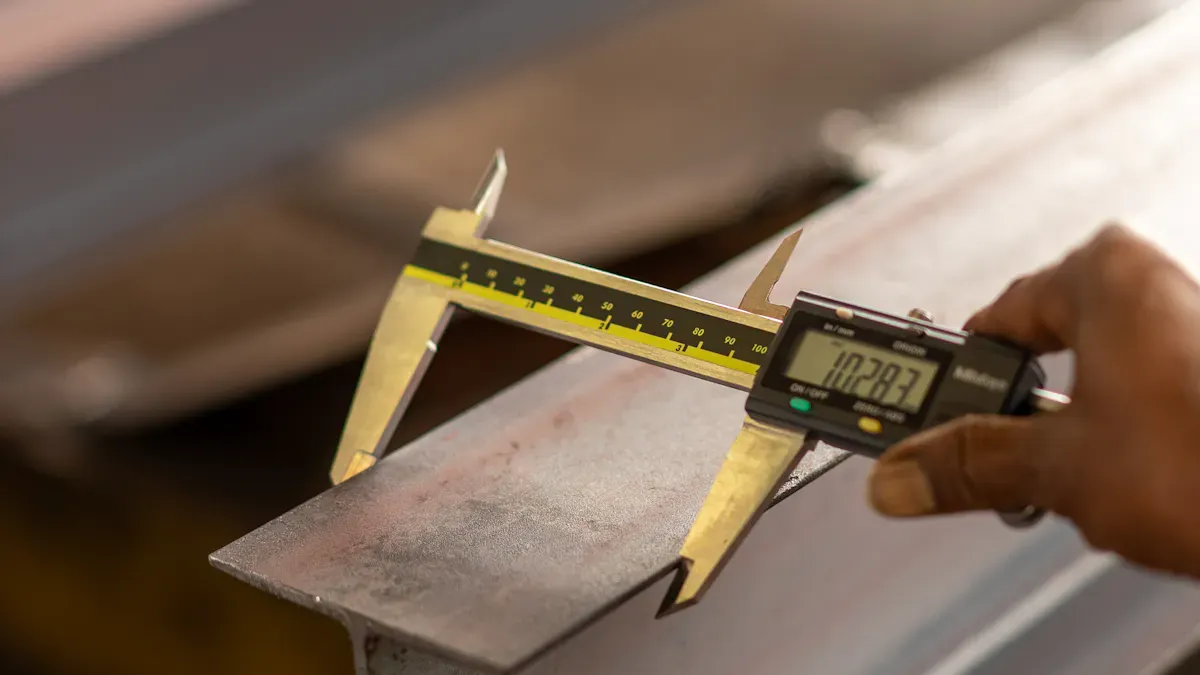
Paint thickness plays a vital role in the durability and service life of prepainted steel coils. You see clear evidence that thicker coatings, such as a Z275 zinc layer, reduce edge creep and ensure long-term corrosion resistance. For exterior applications, industry standards recommend the following thickness ranges:
Jinlisheng stands out with advanced coating technology and strict quality control. You benefit from innovative products like PVDF Coated PPGI, which meet these standards and deliver lasting performance. Explore Jinlisheng’s full range of coated sheet materials here.
Key Takeaways
Thicker paint coatings enhance corrosion resistance, extending the service life of prepainted steel coils.
Follow industry standards for paint thickness: 5-10 microns for primer and 15-25 microns for topcoat.
Regularly check paint thickness using reliable methods to ensure quality and prevent defects.
Investing in thicker coatings reduces long-term maintenance costs and protects your investment.
Customize paint thickness based on application and environment for optimal performance.
Paint Thickness Basics
Image Source: pexels
What Is Paint Thickness
You encounter paint thickness as a key factor in the performance of prepainted steel coils. Paint thickness refers to the depth of the coating applied to the steel surface. This layer acts as a shield, protecting the steel from moisture, chemicals, and environmental damage. When you select the right paint thickness, you improve the coil’s resistance to corrosion and extend its service life. Manufacturers like Jinlisheng use advanced coating technology to ensure each coil receives a consistent and durable layer. You see this attention to detail reflected in products designed for construction, home appliances, and transportation.
Paint thickness is not just about appearance. It determines how well the steel resists rust, fading, and physical wear. You benefit from a longer-lasting product when the coating meets industry standards.
Measurement and Standards
You measure paint thickness using several reliable methods. Each technique helps you verify that the coating meets quality requirements and international standards. Here is a table showing common measurement methods:
You ensure consistent paint thickness by following best practices during manufacturing:
Set standardized gun settings for each part and color.
Use visual aids to highlight critical areas needing special attention.
Conduct frequent, structured dry film thickness checks on different surfaces.
Digitally track readings to monitor trends and spot issues early.
Adjust processes quickly when measurements fall outside specifications.
Jinlisheng adheres to international standards such as ASTM, JIS, EN, and GB. You gain confidence knowing that every coil undergoes rigorous inspection and quality control. This commitment guarantees that you receive products with optimal paint thickness and reliable performance.
Why Paint Thickness Matters for Service Life
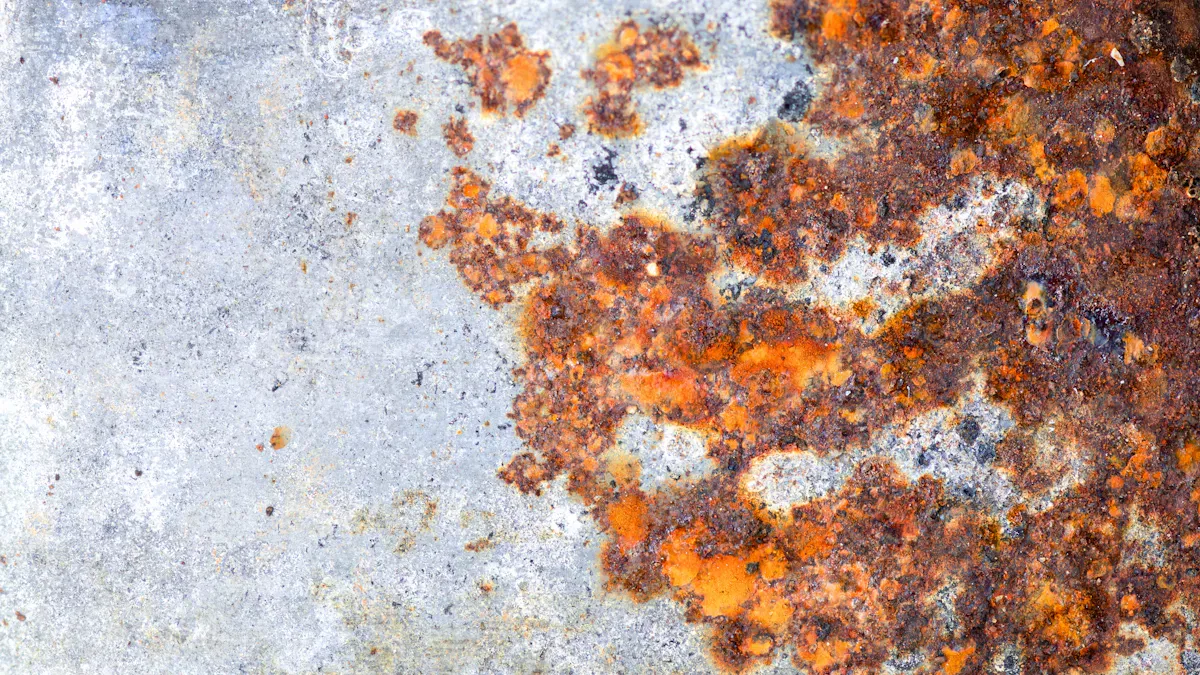
Image Source: pexels
Corrosion Resistance and Durability
You rely on paint thickness to protect prepainted steel coils from harsh environments. When you choose a thicker coating, you create a stronger barrier against moisture, chemicals, and UV rays. This barrier helps prevent rust and extends the service life of your materials. For example, Jinlisheng’s PVDF Coated PPGI uses advanced coating technology to deliver excellent corrosion resistance. You see this product used in curtain walls, high-rise building exteriors, and stadium stands, where durability is essential. The PVDF coating maintains color and integrity for 10–15 years, even in demanding conditions.

Image Source: colored-steelcoil
A thicker paint layer means you get longer-lasting protection and fewer maintenance issues. You avoid costly repairs and replacements when you select products that meet industry standards for paint thickness.
You can learn more about Jinlisheng’s PVDF Coated PPGI here.
Impact of Uneven or Insufficient Coating
You face risks when paint thickness is uneven or too thin. These risks can lead to defects and premature failure of your steel coils. Common defects include sagging, wrinkling, low gloss, bubbles, pinholes, cracking, chalking, overspray, peeling, and rust-rashing. Each defect affects the performance and appearance of your materials.
You also encounter issues like T-Bend failure, where paint cracks or flakes when the steel bends. Bubbles or blistering can appear if air or moisture gets trapped during application. Poor adhesion, lack of flexibility, and incorrect curing processes often cause these problems. These defects reduce the durability and integrity of your coated sheet materials.
Jinlisheng uses strict quality control to prevent these issues. You benefit from consistent paint thickness and reliable performance. The company follows international standards and uses advanced inspection methods to ensure every coil meets your expectations.
When you choose Jinlisheng, you get products that resist defects and deliver long-lasting service. You protect your investment and enjoy peace of mind with high-quality prepainted steel coils.
Optimal Paint Thickness and Jinlisheng Solutions
Recommended Thickness Ranges
You want your prepainted steel coils to last as long as possible. Choosing the right paint thickness is the first step. Industry guidelines recommend specific thicknesses for both primer and topcoat layers. These standards help you achieve the best protection and performance for your steel coils.
Here is a quick reference table for recommended coating thickness:
You see that a primer layer of at least 5 microns and a topcoat of at least 15 microns provide a strong shield. This combination protects your steel from corrosion, weather, and daily wear. You can customize the back coat thickness based on your project needs.
Tip: Always check that your supplier follows these standards. Consistent paint thickness means you get reliable, long-lasting coils.
Product Examples: PVDF, PE, and Embossed Series

You have many choices when it comes to Jinlisheng’s coated steel products. Each product line meets or exceeds industry standards for paint thickness. You can select the best option for your application, whether you need high durability, vibrant color, or decorative finishes.
Here is a comparison of paint thickness requirements for Jinlisheng’s main series:
PE (Polyester) Coated PPGI: You get an economical and flexible solution with a wide color range. This product works well for interior panels, workshop roofs, and simple house walls. It offers moderate UV resistance and is easy to shape.
PVDF (Polyvinylidene Fluoride) Coated PPGI: You benefit from excellent color retention, UV resistance, and corrosion protection. This product is ideal for coastal buildings, high-rise exteriors, and stadium stands. It keeps its color and strength for 10–15 years, even in harsh environments.
Embossed PPGL: You enjoy a decorative finish with strong corrosion resistance. This series is perfect for interior decoration, furniture surfaces, and cabinet door panels. The embossed texture adds style and durability to your projects.
You can explore more about these products on the Jinlisheng website:
PVDF Coated PPGI for Curtain Wall, High-rise Building Exterior, Stadium Stands
PE Coated PPGI for Industrial Workshop Roof, Simple House Wall, Shutter Door
Embossed PPGL for Interior Decoration, Furniture Surface, Cabinet Door Panel
You see real-world results with Jinlisheng’s products. PVDF Coated PPGI maintains its color and protection for up to 15 years in outdoor settings. PE Coated PPGI provides a service life of 30–50 years for indoor and sheltered applications. Embossed PPGL combines beauty and strength, reducing maintenance and replacement costs.
Note: You can request custom paint thickness and surface finishes for special projects. Jinlisheng’s advanced technology and strict quality control ensure every coil meets your expectations.
Paint thickness is the key to long-lasting, attractive, and reliable steel coils. You get peace of mind and value when you choose Jinlisheng’s solutions.
Factors Influencing Paint Thickness Selection
Application and Environment
You need to consider where you plan to use prepainted steel coils. The application and environment play a major role in determining the right paint thickness. For exterior walls and roofs, you face harsh weather, UV rays, and moisture. Thicker coatings provide better protection and extend the lifespan of your materials. Interior applications, such as furniture or cabinet panels, require less thickness because they experience fewer environmental stresses.
Take a look at how paint thickness affects performance in different settings:
You see that PPGL with thicker coatings lasts longer in harsh environments. PVDF coatings offer superior resistance to chemicals and UV degradation, making them ideal for demanding outdoor projects. Polyester coatings work well for interiors and less exposed areas.
Tip: Always match the paint thickness to the environment and application for the best results.
Cost, Maintenance, and Customization
You must balance cost and performance when selecting paint thickness. Thicker coatings cost more upfront because they use more material. Over time, you save money on maintenance since thicker coatings protect better and require fewer repairs.
Thicker coatings provide better protection against corrosion, especially in marine or industrial settings.
You benefit from lower maintenance needs and higher durability.
Prepainted steel coils need less upkeep compared to traditional materials, reducing overall costs.
The right film thickness improves resistance to moisture and contaminants, ensuring long-term performance.
Jinlisheng gives you the flexibility to customize coatings for your specific needs. You can choose the thickness, color, and finish that fit your project. Industry experts recommend balancing curing speed and mechanical properties. Too much thickness can cause cracking, so you need to find the right balance for quality and cost-effectiveness.
Customization lets you get the best performance and value for your application. Jinlisheng’s advanced technology ensures you receive reliable, long-lasting steel coils.
You see that paint thickness directly affects how long your steel coils last. Choosing the right thickness gives you better protection and saves money over time.
Thicker coatings help prevent corrosion and extend the lifespan of your coils.
You spend less on repairs and replacements when you select the right coating.
Thinner coatings may seem cheaper at first but can lead to higher costs later.
Jinlisheng offers expert guidance and a wide range of products to fit your needs. Reach out for tailored advice and technical support.
FAQ
What is the ideal paint thickness for outdoor steel coils?
You should choose a topcoat thickness of 15–25 microns and a primer of 5–10 microns. This range gives you strong protection against weather and corrosion.
How does paint thickness affect maintenance needs?
Thicker coatings help you reduce maintenance. You get better resistance to rust and fading, so you spend less time and money on repairs.
Can you customize paint thickness for special projects?
Yes! Jinlisheng lets you request custom paint thickness, color, and finish. You can match your project’s needs for durability and appearance.
Which Jinlisheng product offers the best corrosion resistance?
You get the best corrosion resistance with PVDF Coated PPGI. This product stands up to harsh weather, UV rays, and chemicals for long-lasting performance.
How do you check if the paint thickness meets standards?
You can use tools like magnetic gages or ultrasonic testers. Jinlisheng checks every coil to make sure it meets international standards for thickness and quality.