


Image Source: unsplash
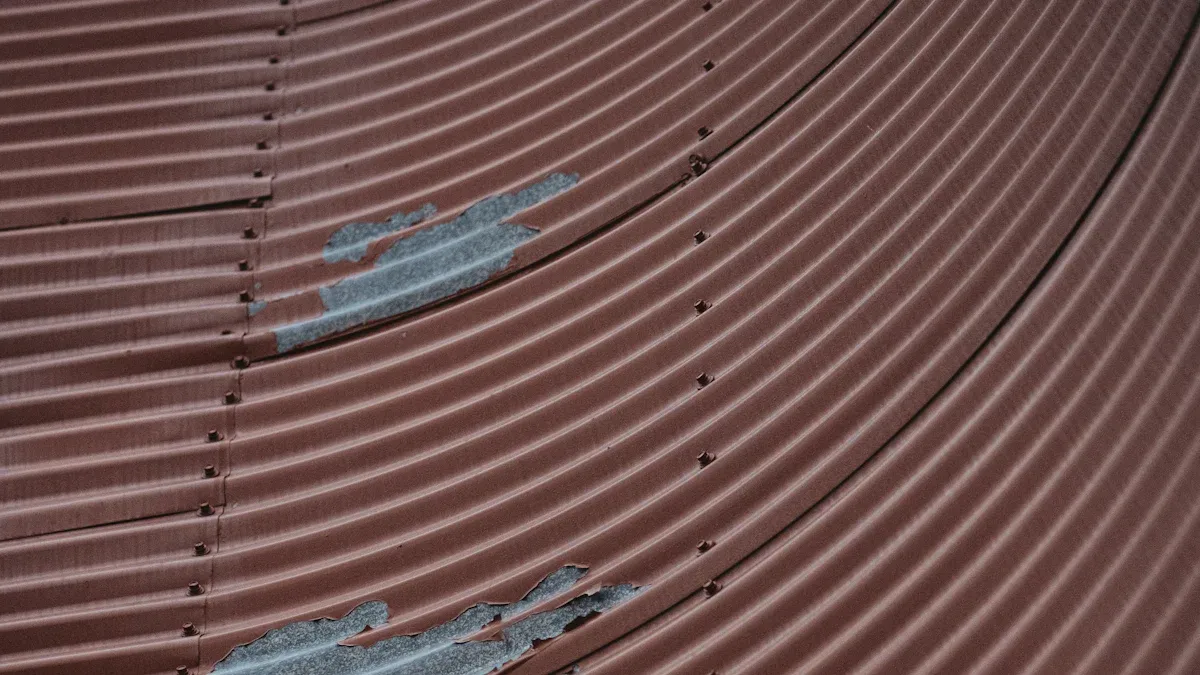
You may notice prepainted aluminum coil peeling on finished surfaces. This problem weakens both performance and appearance. See how blistering or peeling affects your materials:
Problem | Impact on Performance and Appearance |
|---|---|
Affects durability and aesthetics of material |
Understanding the causes helps you avoid these issues with confidence.
Key Takeaways
Prepainted aluminum coil peeling can occur due to poor surface preparation, moisture exposure, and mechanical damage. Understanding these causes helps you prevent issues.
Regular inspections and cleaning of aluminum coils can catch early signs of peeling. This proactive approach extends the life of your materials and maintains their appearance.
Using advanced coating technologies and following best practices for storage and handling can significantly reduce the risk of peeling and ensure long-lasting performance.
Understanding Prepainted Aluminum Coil Peeling
What Is Prepainted Aluminum Coil Peeling
You may see paint lifting or flaking off the surface of aluminum coils. This is called prepainted aluminum coil peeling. The paint layer separates from the metal. Sometimes, you notice small bubbles or cracks before the paint comes off. This problem can happen during manufacturing or after installation. It often starts at the edges or where the coil bends. You might also see it in areas exposed to moisture or chemicals.
Tip: Early signs of peeling include discoloration, small blisters, or rough patches. Check your coils often to catch these issues early.
Why Peeling Matters for Aluminum Coil Users
Peeling affects more than just looks. When the paint comes off, the metal underneath loses protection. Water, air, and chemicals can reach the aluminum. This can cause rust or corrosion. You may need to repair or replace the coil sooner. Peeling also makes your building or product look old or poorly maintained. If you use coils in construction, appliances, or vehicles, peeling can lower the value of your project.
You want your materials to last and look good.
You save money by preventing damage and repairs.
You protect your reputation by using quality products.
Understanding prepainted aluminum coil peeling helps you make better choices. You can avoid common problems and keep your projects strong and attractive.
Main Causes of Prepainted Aluminum Coil Peeling
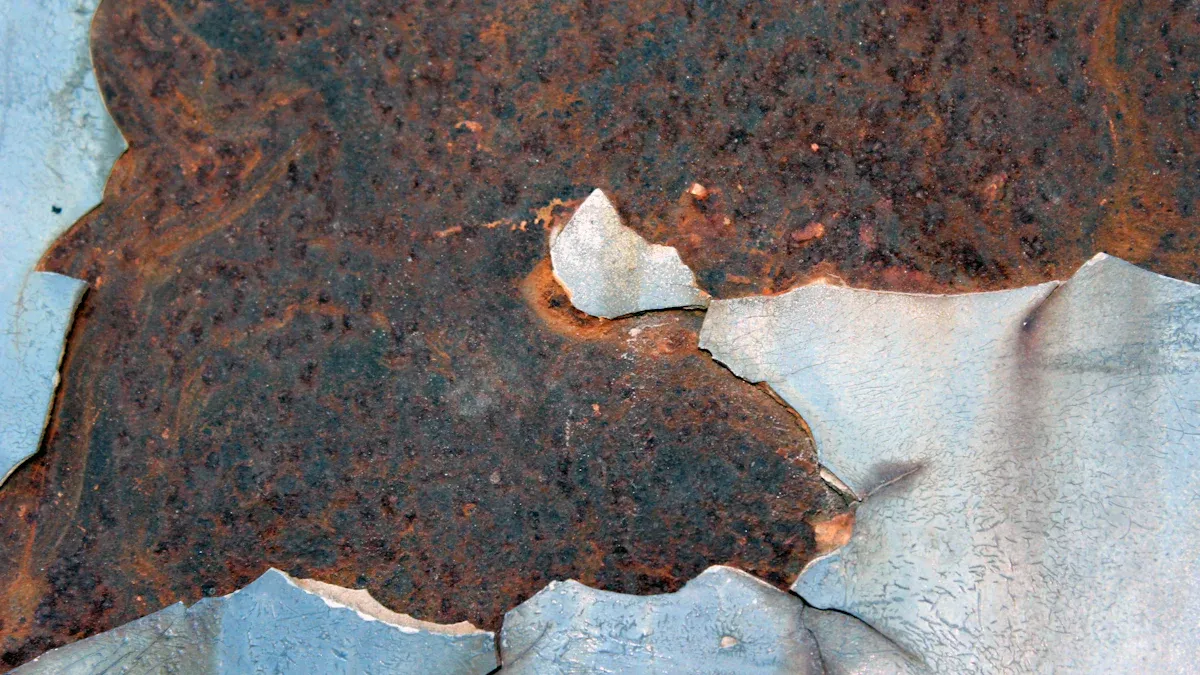
Image Source: unsplash
Surface Oxidation and Improper Preparation
You often see prepainted aluminum coil peeling when the surface is not prepared correctly. Surface oxidation happens when the aluminum coil reacts with air or moisture before painting. This process creates a thin oxide layer that can weaken the bond between the metal and the coating. If you want to avoid surface oxidation, you need to follow proper cleaning and preparation steps.
Here are the main steps for surface preparation:
Degreasing removes grease and dirt from the aluminum coil using solvents like acetone or alcohol.
Grinding treatment uses sandpaper or a grinder to eliminate the oxide film and minor imperfections.
Acid treatment applies hydrofluoric acid or a mix of sulfuric and phosphoric acids to chemically remove the oxide layer and improve adhesion.
If you skip any of these steps, you risk common quality problems such as poor adhesion and coating defects. Oxidation can lead to peeling, especially at the edges or bends. You must pay attention to surface preparation to prevent defective products and maintain the quality of color-coated aluminum coils.
Tip: Always inspect the aluminum coil for signs of oxidation before applying any coating. This helps you catch problems early and ensures a strong bond.
Poor Coating Application on Pre-Painted Aluminum Sheets
You may encounter prepainted aluminum coil peeling due to errors during the coating process. Common quality problems include uneven application, incorrect drying, and incompatible materials. These issues can cause coating defects like alligatoring, wrinkled paint, peeling, and bubbles.
Coating Application Error | Causes | Fixes |
|---|---|---|
Alligatoring | High temperatures during painting or drying. Painting over an insufficiently dried layer. Excessively thick paint film. | Sand down and repaint. Check drying temperature instructions. |
Wrinkled paint | Fast drying of the paint surface. Thick application or high drying temperatures. Incompatible solvents between layers. | Sand off and clean before repainting. Moderate drying temperature. |
Peeling paint | Poor surface preparation. Inadequate cleaning. Incompatible materials. Long wait between coats. | Remove peeling paint to a stable layer. Properly prepare and clean the surface. |
Bubbles in paint | Contamination or moisture on the surface. Trapped solvents. Air bubbles during spraying. | Sand down and repaint. Clean the surface thoroughly. Ensure the surface is dry before painting. |
You need to control coating thickness and curing processes to prevent coating defects. Use roller coating with PE, PVDF, or other coatings. Cure the coating at high temperatures (about 200–220°C) to form a durable protective film. Always check adhesion with a cross-hatch test and measure thickness with a micrometer. These steps help you maintain the quality of color-coated aluminum coils and address paint peeling before it becomes a bigger problem.
Environmental Exposure and Moisture Ingress
Environmental factors play a big role in prepainted aluminum coil peeling. Extreme temperatures and high humidity can damage the protective layer on color-coated aluminum coils. Moisture ingress allows water and air to reach the metal, leading to corrosion and peeling.
Extreme temperatures can weaken the performance of color-coated aluminum coils.
High humidity increases the risk of corrosion and reduces durability.
The protective coating acts as a barrier, but if damaged, moisture can cause problems.
You must store aluminum coil in a controlled environment to reduce moisture and temperature fluctuations. Regular inspection helps you spot problems early and take preventative measures. Protecting color-coated aluminum coils from moisture keeps your products strong and attractive.
Mechanical Damage and How to Avoid Deformation
Mechanical damage often causes prepainted aluminum coil peeling during transportation and installation. Rough handling, transportation trauma, and improper stacking can scratch or deform the coil. Equipment contact and post-coating processing also introduce coating defects.
Type of Damage | Causes | Impact |
|---|---|---|
Coil Coating Delamination | Improper cleaning or surface prep before coating. Moisture intrusion during storage. Incompatible coating system. | Loss of protective properties and compromised appearance. |
You can prevent deformation and mechanical damage by following these best practices:
Minimize handling to lower the risk of damage.
Inspect incoming material for pre-existing problems.
Keep equipment clean and smooth to avoid scratches.
Use protective materials on rollers and lifting devices.
Wrap coils tightly to shield them from environmental factors.
Store coils in a controlled environment to prevent condensation and damage.
By using these preventative measures, you protect the quality of color-coated aluminum coils and prevent common quality problems. Careful handling and proper storage help you avoid surface oxidation, coating defects, and moisture-related issues.
Note: Addressing paint peeling quickly saves you time and money. Always follow best practices to prevent defective products and maintain high quality.
Solutions and Prevention with Jinlisheng Products
Advanced Coating Technologies for Aluminum Coil Protection
You can solve many common quality problems by choosing advanced coating technologies. Jinlisheng uses a continuous coil coating process that applies several layers of organic film to color-coated aluminum coils. This method gives you precise control over coating thickness and adhesion. You get a durable finish that resists peeling, chalking, and corrosion.
Here is a quick look at the key properties of high-quality coatings used in Jinlisheng’s pre-painted aluminum sheets:
Property | Specification |
|---|---|
Coating Thickness | PVDF ≥ 25 micron, Polyester ≥ 18 micron |
Glossiness | 10-90% |
Coating Hardness | Greater than 2H |
Adhesion | Not less than level 1 |
Impact Resistance | 50 kg/cm, no peeling or cracks |
Weather Resistance | Polyester: 10 years, Fluorocarbon: 20 years |
Environmental Protection | Resistant to corrosion, non-toxic |
Flame Retardancy | Not less than B1 level |
You can select from PVDF, SMP, PE, and other high-quality coatings. These options give you flexibility for different environments and applications. Jinlisheng’s PVDF Coated PPGI, SMP Coated PPGI, and PE Coated PPGI products all use this advanced technology. Powder coil coatings also add fast curing and strong mechanical properties, which help prevent coating defects and extend the life of your aluminum coil.
Tip: Choose coatings with proven weather resistance to reduce the risk of peeling and fading over time.
Preventing Surface Oxidation and Ensuring Adhesion
You can prevent surface oxidation and improve adhesion by following strict surface preparation steps. Jinlisheng uses advanced cleaning, degreasing, and acid treatment methods before applying any coating. This process removes dirt, grease, and oxide layers from color-coated aluminum coils. You get a clean surface that forms a strong bond with the coating.
Jinlisheng’s quality inspection team checks every coil for signs of oxidation and coating defects. You can trust that each batch of pre-painted aluminum sheets meets high standards for adhesion and durability. Regular pre-installation inspection helps you catch problems early and prevent defective products.
Always check for oxidation before coating.
Use only high-quality coatings for better adhesion.
Follow recommended surface preparation steps.
You can learn more about Jinlisheng’s commitment to quality and surface preparation in their product FAQs.
Best Practices to Avoid Deformation and Mechanical Damage
You can avoid deformation and mechanical damage by using effective preventative measures during handling, storage, and installation. Jinlisheng recommends these best practices for color-coated aluminum coils:
Minimize handling to reduce the risk of scratches and dents.
Inspect all incoming coils for coating damage or common quality problems.
Use protective materials on rollers and lifting devices.
Store coils in a dry, temperature-controlled environment to prevent moisture and oxidation.
Wrap coils tightly to shield them from dust and impact.
Jinlisheng’s products feature strong coatings and flexible substrates that resist deformation during processing. The HDP Coated PPGI and Printed Plate Pattern Series offer extra protection for demanding applications. You can avoid deformation and maintain the appearance and performance of your pre-painted aluminum sheets by following these guidelines.
Note: Addressing paint peeling quickly and using proper handling methods will help you maintain quality and prevent further problems.
Environmental Resistance with Jinlisheng’s Pre-Painted Aluminum Sheets
You need pre-painted aluminum sheets that can withstand harsh weather, UV exposure, and moisture. Jinlisheng’s color-coated aluminum coils use UV-resistant paints and advanced sealing techniques. These features protect your materials from chalking, fading, blistering, and corrosion.
Jinlisheng’s coatings guarantee long-term performance, even in challenging environments. Polyester coatings last up to 10 years, while fluorocarbon coatings can last 20 years or more. You can use these products for exterior walls, roofs, and other outdoor applications with confidence.
Clean your coils regularly to remove dirt and moisture.
Seal all joints and edges to prevent water ingress.
Choose UV-resistant coatings for outdoor projects.
Jinlisheng’s Printed PPGL and Patterned Series combine decorative appeal with strong environmental resistance. You can rely on these pre-painted aluminum sheets to maintain color and quality for years.
By following these solutions and preventative measures, you can address common quality problems, prevent defective products, and ensure the long-term success of your projects with Jinlisheng’s color-coated aluminum coils.
Maintenance Tips for Long-Lasting Aluminum Coil Performance
Image Source: pexels
Routine Inspection and Cleaning
You should inspect your pre-painted aluminum sheets regularly. Look for early signs of peeling, discoloration, or rough patches. Routine checks help you catch problems before they spread. Clean your color-coated aluminum coils with mild detergent and soft cloths. Remove dust, dirt, and moisture to maintain the coating and prevent corrosion. Avoid harsh chemicals that can damage the surface. Consistent cleaning keeps your aluminum coil looking new and protects its quality.
Tip: Schedule inspections every few months. Early action prevents bigger issues and extends the life of your pre-painted aluminum sheets.
Early Detection and Repair of Peeling
You need to spot peeling or bubbling as soon as possible. If you find any, repair the affected area right away. Remove loose coating and clean the surface. Apply a matching touch-up paint to seal the spot. This step stops moisture from reaching the metal and prevents further corrosion. Early repairs help you maintain the quality of your color-coated aluminum coils and avoid costly replacements. Use pre-installation inspection to check for any coating problems before using the material.
Proper Storage and Handling to Avoid Deformation
Proper storage and careful handling help you avoid deformation of aluminum coils and prevent peeling. Follow these preventative measures recommended by Jinlisheng:
Store pre-painted aluminum sheets in a dry, well-ventilated area with temperatures between 10°C and 30°C.
Keep humidity low to protect the coating from moisture.
Shield coils from sunlight and rain to prevent fading and corrosion.
Place coils on flat, stable surfaces to avoid deformation.
Avoid scratches by keeping sharp objects away.
Separate coils from corrosive substances.
Stack coils carefully and limit height to distribute weight evenly.
Use proper lifting equipment and handle gently.
Rotate inventory using FIFO to reduce long-term storage problems.
Inspect storage areas and coils regularly for damage.
By following these steps, you protect your color-coated aluminum coils from deformation and maintain their quality. Proactive maintenance ensures your pre-painted aluminum sheets deliver long-lasting performance.
You can prevent prepainted aluminum coil peeling by understanding key causes like trapped moisture, poor surface prep, and improper coating. Regular cleaning and maintenance help coatings bond better and last longer. Jinlisheng’s durable, customizable, and UV-resistant coils offer reliable protection. Explore Jinlisheng products or contact us for expert support.
FAQ
What causes prepainted aluminum coil peeling most often?
You usually see peeling from poor surface preparation, trapped moisture, or mechanical damage. Always check for oxidation and handle coils carefully to prevent these issues.
How can you repair small areas of peeling on aluminum coils?
Remove loose paint.
Clean the area.
Apply touch-up paint.
Let it dry completely.
Quick repairs stop further damage.
Why should you choose Jinlisheng prepainted aluminum coils?
Feature | Benefit |
|---|---|
Advanced Coating | Long-lasting protection |
Quality Control | Fewer defects and better value |
You get reliable performance and strong durability.